Spring 2026 Newsletter

The latest Camp Akeela newsletter is here!

Check Out The Spring 2026 Newsletter


As we finish up with the camp forms for our younger daughter, who will be going to her 7-week sleepaway camp for her 5th time this summer, we want to acknowledge that sending your child away to camp is a lot of work. Of course, there are the doctors’ appointments, the prescriptions that need to be called in, the shopping, packing and organizing. And, we can’t underestimate the emotional work that goes into it!

Preparing your child for camp takes time and energy – a positive energy. Pushing through our own fears and worries about sending our camper away needs to be a priority so we can meet our child with a “clean slate”. Our children need to feel our optimism and confidence that going to camp will be a life-changing experience – one that will enable them to become more independent and more confident, and an experience that will lead to meaningful friendships that will last a long time. All of our campers are intuitive and if they sense that we’re afraid about this very big transition, they will take on that worry themselves.

Some advice for those of you who are worried about camp this summer:

  • Write down your concerns! Take some time during the day (not right before bed or you’ll never be able to fall asleep!) to jot down your worries. That act of acknowledgment is important, and then you can revisit each concern and decide to either address it, or let it go!
  • Call us. We’re here to help and sometimes more information is all we need to minimize our fears.
  • Breathe! Go for a walk or take 10 minutes with a cup of tea to just relax.
  • Read Homesick and Happy by Michael Thompson. It’s a really great book that will help remind you what an amazing gift you’re giving your child by giving them a sleepaway camp experience.

By the way, much of this advice will work great for your anxious camper, too.

Your camper’s Head Counselor will be emailing you prior to your camper’s session to chat about anything that’s on your mind so feel free to start a list now that you communicate with them about once our team is all up in VT after June 13th. Enjoy the rest of spring and we’ll see you soon!

— Debbie and Eric


In this edition of the Akeela newsletter, you’ll also find:

  • What to Expect On the First Day of Camp
  • Meet David, Our New Associate Director
  • From The Blog: D&D As an Executive Function Workout
  • A Note About Bunk Counselors Assignments
  • Our Annual Geography Update: Where Akeela Campers & Staff Come From
  • 2026 Special Events & Theme Days
  • Welcome New Campers!

Read the entire Spring 2026 Newsletter here!


Camp Has Always Been Friction-Maxxing (We Just Didn’t Have a Name for It)

Why a buzzword of 2026 actually describes what great overnight camps have been doing for kids – especially neurodivergent ones – all along.

Earlier this year, a piece in New York Magazine’s The Cut made the rounds online. It was written by Kathryn Jezer-Morton, and it introduced a phrase that seemed to stick with a lot of exhausted, screen-weary parents: friction-maxxing.

The concept is straightforward, if a little uncomfortable. Technology companies, Jezer-Morton argues, have spent years engineering our lives to be frictionless. No waiting, no awkward pauses, every inconvenience smoothed away . Everything is more convenient and algorithms know exactly what to offer next. The result is that we’ve lost our tolerance for the normal challenges of being human. Things like being bored, or figuring out a social situation, or doing a task slowly and imperfectly.

Friction-maxxing is the proposed antidote. It’s choosing the harder option on purpose. Reading a real book instead of watching a recap. Calling your mom instead of texting. Letting your kid be bored for a bit instead of handing them a screen.

When we first read the piece here in the Akeela office, the reaction was something like: yes – and also, we’ve been doing this for decades.

What Camp Directors Have Always Known

The friction-maxxing conversation is new, but the idea isn’t.

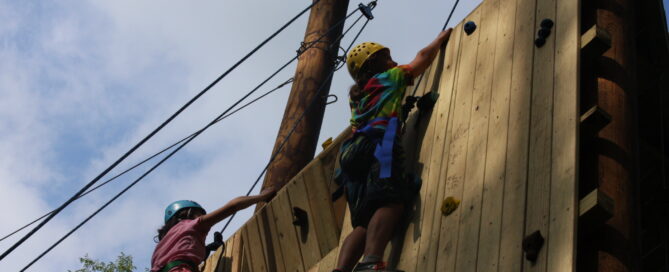
If you’ve worked at a camp long enough, you know that the harder moments are usually the important ones. Friction isn’t exactly fun in-the-moment, necessarily, but it’s important. A kid lying in their bunk on the first night, feeling homesick and having to get through it without calling home. A disagreement with a bunkmate that can’t be solved by blocking them online. Trying to climb the rock wall and losing your cool at the 3-feet mark.

Those moments can be uncomfortable. Sometimes really uncomfortable. But they matter.

Psychologist Jonathan Haidt talks about this in his book (and one of our favorites to recommend!) The Anxious Generation. His point, more or less, is that kids need some level of challenge in order to grow. Just as the immune system must be exposed to germs, and trees must be exposed to wind, children require exposure to setbacks, failures, shocks, and stumbles in order to develop strength and self-reliance.

In a section of his book dedicated to solutions, Haidt specifically called out overnight summer camp — away from devices, full of communal responsibility, slightly risky, exciting, and full of the real human friction that screens have been engineered to eliminate — as one of the most powerful environments for children’s development. Camp professionals have known this for generations, and Haidt and Jezer-Morton have simply given us some catchy vocabulary to help the world understand it.

The Specific Frictions of Overnight Camp

It’s worth pausing to name what “friction” actually looks like at an overnight summer camp, because it’s not one big dramatic challenge. It’s dozens of small ones, every single day.

Waking up, getting yourself ready in the morning, and making your bed (or at least attempting to). Navigation family-style meals and figuring out what you want to eat, and should you try to make a healthy choice? Trying an activity you’ve never done before, in front of other people. Asking for help.

Also just … managing your own stuff. Your schedule, your emotions, your choices. There’s support, obviously, but no one is doing it all for you.

None of these are traumatic. But each one is practice. And practice, repeated across three weeks of immersive community life, builds something that can’t be built through a worksheet or a social skills group: genuine, internalized capability. The friction is the mechanism of growth, not the obstacle to it.

Why This Matters Even More for Neurodivergent Kids

This kind of experience is good for any kid. For neurodivergent kids – those with ASD1, ADHD, twice-exceptional profiles, or similar – it may be more important still. Here’s why:

The frictionless world that Jezer-Morton and Haidt are writing about was not designed with neurodivergent brains in mind. But, in some ways, the conveniences of technology feel tailor-made to compensate for executive function challenges. For neurodivergent kids who genuinely struggle with planning, organization, and self-regulation, these tools can feel like a lifeline.

But there’s a tradeoff. When everything is handled for you, you don’t get as many chances to build those underlying skills yourself. And for neurodivergent kids who will one day navigate college applications, job interviews, roommate conflicts, and adult friendships (without an algorithm to smooth the way) those underlying skills are not optional.

Those abilities develop through experience. Through trying, messing up, adjusting, trying again. Camp gives kids a place to do that, with support, but without removing the challenge entirely.

The Difference Between Struggle and Suffering

A note worth making explicit: friction-maxxing is not about making children suffer. Jezer-Morton made this clear in her original piece, and it bears repeating in the context of neurodivergent kids, for whom school and social life have often already delivered more than their share of genuine pain.
Good camp programs are thoughtful about this. The expectation isn’t perfection, it’s effort. Kids are asked to stretch, but they’re also supported. Staff are paying attention. There’s a balance.

At Camp Akeela, we think carefully about what kind of friction we’re introducing. We design for the productive kind. The kind that asks a camper to stretch a little, try something new, work through something uncomfortable — and feel the genuine satisfaction of having done it.

The goal isn’t to eliminate discomfort completely. It’s to help kids realize they can handle it. That there’s something on the other side worth having.

What Three Weeks Can Do

Three weeks of camp is hundreds of small frictions — social, emotional, practical, physical — navigated in a supported community of peers who share your neurotype.

These moments accumulate. The kid who arrives uncertain about whether they fit in discovers something different. They discover they are capable. That they are good company. That hard things, in the company of people who are rooting for you, are not quite as hard as they seemed.

That’s the friction-maxxing promise. Camp has been delivering it all along.


D&D … An Executive Function Workout?

Parents of kids with ADHD or ASD are very familiar with the phrase executive function. It refers to a cluster of cognitive skills — working memory, impulse control, planning, organization, cognitive flexibility, emotional regulation — that some neurodivergent brains find more challenging. These are also, not coincidentally, skills that – when still developing – can make school and social life hard.

Here’s what most people don’t know: playing D&D is an intensive exercise in exactly these skills. And because it doesn’t feel like a skill-building exercise — because it feels like an adventure — kids practice without resistance.

Keeping track of hit points, planning strategies in combat, and resolving conflicts require players to exercise cognitive functions such as working memory and impulse control. The failures and setbacks kids experience in the course of a D&D game can be valuable practice for real life. D&D provides a low-stakes, high-engagement arena for exactly that practice.

The planning dimension is equally rich. Before a session, players manage their character’s inventory, track ongoing quests, and strategize for upcoming encounters. During play, they constantly update their understanding of the situation, regulate their impulses (no, your character can’t just attack the shopkeeper), and coordinate with others toward shared goals. Again: executive function training.

For twice-exceptional kids — those who are intellectually gifted but who face significant challenges in areas like attention, organization, or social cognition — D&D can be particularly well-matched. The game rewards deep, creative, system-level thinking. That’s where 2e kids often shine. At the same time, the collaborative structure gently requires the interpersonal skills they may find harder to access.

A Safe Space to Practice the Hard Stuff

One of the most consistent findings across D&D research is how the game creates a uniquely safe environment for trying things that feel risky in real life. Social risk-taking — speaking up, advocating for yourself, navigating conflict, leading a group — is genuinely frightening for many neurodivergent kids. The fear of getting it wrong, of being embarrassed, of saying the wrong thing and having peers remember it, is real and well-founded.

D&D reduces that fear in a fundamental way: the stakes belong to the character, not the player.

If your paladin makes a bold argument and fails to persuade the innkeeper, that’s the paladin’s problem. If your ranger steps up to lead the group through the forest and takes a wrong turn, the party adapts and moves on. The mistakes are in the story. The learning, though, is very much in the player.

The safe space lets players process real-world challenges through fantasy scenarios, including facing fears and standing up to a bully. Gamers who are neurodivergent may find D&D to be an outlet where they can explore their interests and express their unique perspectives — but still feel in control.

What Happens Around the Table

There is research that backs this up. One of the most widely cited early clinical applications of D&D with neurodivergent youth involved a small group of boys with ADHD and related challenges who participated in a therapist-run D&D campaign over an extended period. Following the intervention, school and home reporting showed that all four of the boys were far less impulsive and their social functioning had improved significantly. The cooperation required to overcome the obstacles put in place by the therapist — who took on the role of Game Master — resulted in the boys spending longer amounts of time engaged in conversation, planning manoeuvres, and cooperating. Each demonstrated increasing confidence in leading the group and problem-solving, skills which transferred into home and school life. Teachers reported improvements in classroom behavior and grades. The skills — the planning, the impulse regulation, the collaborative problem-solving — didn’t stay at the table.

This is what we see at Camp Akeela, too. The camper who sits down at the D&D table for the first time, tentative and unsure, watching the more experienced players with a mixture of curiosity and anxiety. A few sessions later, that same kid is debating strategy, making others laugh with an unexpected character choice, and building the kind of in-joke history with their party that is the raw material of real friendship.

What to Expect if Your Child Has Never Played

One of the beauties of D&D for new players — especially anxious or uncertain ones — is that the barrier to entry is low and the on-ramp is forgiving. You don’t need to know the rules to start. You don’t need to be a “gamer.” You need imagination and a willingness to engage.

At Camp Akeela, our D&D groups are run by experienced, trained staff who know how to support neurodivergent players through the learning curve, accommodate different styles of engagement, and ensure that every player — not just the most confident or extroverted ones — has meaningful moments at the table.

Some kids arrive at camp having played D&D for years. Some have never rolled a d20 in their lives. It doesn’t matter. Within a session or two, newcomers find their footing, make choices that matter to the story, and begin to feel the particular satisfaction of a game that rewards creativity, persistence, and teamwork.

Why Camp Is the Perfect Place for This

There’s D&D you can play on a Tuesday evening at home, in a local after-school program, or online. And all of those are valuable. But there’s something about playing D&D at overnight summer camp that amplifies everything we’ve described.

The friendships that form around the table at camp are embedded in a larger community. The party who defeated the dragon together at 4pm is also hanging out after dinner or at snack the next day. That continuity — the chance to know and be known by the same group of peers across weeks, not just hours — is what turns D&D connections into genuine friendships.

Many of our campers are particularly well suited for the game. The deep knowledge and intense curiosity that can make them feel like they don’t always fit in at school makes them an incredible world-builder at the D&D table. Their creative, associative thinking often generates the most memorable moments in the campaign.
At the D&D table, the neurodivergent brain isn’t a limitation. It’s a superpower. And that’s the kind of confidence that travels home from camp and keeps going.


Dungeons & Dragons is a permanent and beloved part of life at Camp Akeela, and we’ve embraced it enthusiastically because it aligns so well with everything we’re here to do: help neurodivergent kids discover what they’re capable of, build real friendships with peers who get them, and leave the summer knowing themselves a little better than when they arrived.


Winter 2026 Newsletter

The latest Camp Akeela newsletter is here!

Check Out The Winter 2026 Newsletter


March has arrived and with it some signs of spring, which are great to see after all of the cold & snow we had here on the East Coast this winter. Earlier this month, we — along with Erin, Nick and Kevin — attended the annual Tri-State Camp Conference. Tri-State is the largest gathering of camp professionals in the world. It’s a 3-day conference where we learn from some of the leaders in the world of education and child development, share best practices with other camp professionals, and visit with old friends. It’s one of the highlights of our year, in large part because it’s the unofficial sign that the camp season is right around the corner!

We have met and enrolled a lot of first-time Akeela campers this winter, all of whom will bring an amazing new energy to camp. They come from all over the country and have so much to offer the Akeela community. We can’t wait to introduce them to all of our returning campers, and to see new friendships flourish. Of course, camp is also about reconnecting with old friends, and we’re delighted to have so many returning campers this summer. (See the newsletter for a list of returning campers.)

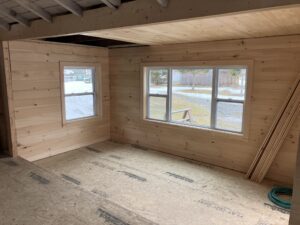
We’re very excited to announce that we’re doing a complete renovation on the Camper Kitchen, home of Akeela’s culinary arts program. Our site manager, Keefe, and his year-round crew have been hard at work making improvements to that building. Pretty much everything will be new, including the floors, walls, lighting, windows, food prep areas and teaching surfaces. Most notably, the space is now much BIGGER! The area that was previously the covered porch is now inside the building, creating a much more open, airy and flexible space for campers to enjoy while creating (and tasting!) their delicious food.


That’s just one of the new and exciting things we look forward to sharing together this summer. Keep an eye out for news about this summer’s special events — they’re going to be awesome!

As always, don’t hesitate to call or email us if you have any questions or just want to chat about camp.

Love,

Debbie and Eric


In this edition of the Akeela newsletter, you’ll also find:

  • Save-the-date notices for upcoming virtual meetings & “office hours”
  • Suggestions for how campers can prepare for their upcoming summer at camp
  • An introduction to this year’s Head Counselors
  • Lists of returning campers and staff members
  • An Akeela-themed crossword puzzle

Read the entire newsletter here!


Why Overnight Summer Camp Can Be Life-Changing for Neurodivergent Kids

Every June, something remarkable happens at camps like ours. A kid who has spent the entire school year masking — carefully performing a version of themselves that fits into a neurotypical world — arrives at camp and, within a day or two, exhales. They meet another kid who also loves deep-diving into obscure topics. They find a bunkmate who understands what it’s like to need a few minutes of quiet before dinner. They discover that the social rules here are different — kinder, more flexible, built for the way they actually think.

For many of our campers, it’s the first time they’ve felt genuinely at ease around their peers.

If you’re the parent of a neurodivergent child — whether they’ve been diagnosed with ASD Level 1 (formerly known as Asperger’s syndrome), ADD or ADHD, NVLD, or have what’s sometimes called a “twice-exceptional” profile — you probably know exactly what that constant performance costs your kid. The exhaustion at the end of a school day. The social missteps that sting for days. The loneliness that can quietly accumulate when you never quite feel like you belong.
Overnight summer camp, the right overnight summer camp, can change all of that.

The Science of Belonging — and Why It Matters So Much

Researchers have spent years studying what helps neurodivergent young people thrive, and one finding keeps emerging: belonging is not a nice-to-have. It’s protective. A major 2024 scoping review published in Research in Developmental Disabilities found that a sense of belonging was one of the most consistent resilience factors for autistic youth and those with ADHD — buffering against anxiety, depression, and social withdrawal. Peer acceptance, in particular, was found to be protective specifically for children with ADHD in ways it wasn’t for neurotypical peers.

What this research underscores is something that experienced camp directors have observed for decades: neurodivergent kids often aren’t struggling because something is wrong with them. They’re struggling because their environment doesn’t fit them. When you change the environment — when you place them in a community full of kids who share their neurotype, their humor, their intensity, their quirks — the outcomes can be profound.

A recent study published in the journal Autism that followed autistic individuals across childhood into adulthood found that one of the most significant predictors of adult wellbeing was whether someone had found genuine community with others who “got” them. Participants who eventually connected with their neurodivergent peers described the experience in striking terms: finally feeling understood, finally being able to drop the performance, finally being able to form real friendships.
Camp can be where that happens first.

The Exhausting Work of “Masking” — and What Happens When Kids Can Stop

You may have heard the term “masking” — the strategy many autistic and ADHD kids use to suppress or hide their natural behaviors in order to fit in. Research published in 2025 in School Mental Health found that autistic adolescents who mask most heavily are also the ones most likely to report a profound lack of belonging, feelings of personal failure, and low self-worth. The mask works, in a narrow sense: it reduces social friction. But it comes at a steep cost to identity and mental health.
What’s striking about a well-designed neurodivergent summer camp is that kids don’t need the mask. There’s no social incentive to perform neurotypicality when everyone around you is, in some sense, wired the same way. Special interests aren’t embarrassing — they’re conversation starters. Needing a few minutes of downtime isn’t a weakness — it’s normal. The kid who wants to spend an entire free period explaining the history of a particular video game franchise, or the one who has memorized the migratory patterns of every bird in Vermont, finds their people here.

Dr. Emily King, a child psychologist who specializes in neurodivergent youth, has written about why summer camp is particularly powerful for kids who find school exhausting: school asks them to constantly engage with things they don’t find interesting while managing sensory environments and social expectations that weren’t designed for them. Camp flips the equation. The activities are engaging. The social structure is more forgiving. The whole point is fun — and through that fun, social skills develop naturally and organically.

More Than Social Skills: What Camp Actually Builds

We don’t think of Akeela as “social skills training”. That just wouldn’t be the right term for kids who are perfectly capable of deep, meaningful connection — they just need the right context for it.

What a good overnight camp for neurodivergent kids actually builds isn’t a checklist of social behaviors. It’s something harder to quantify and more important: confidence in one’s own identity.

When a camper discovers that their intense curiosity is an asset, not an oddity — that other kids find it cool that they know everything about Roman aqueducts or competitive Pokémon — something shifts. When they navigate a conflict with a bunkmate and come out the other side of it with the relationship intact, they carry that forward. When they try something new and succeed — a ropes course, a theatrical performance, a new friendship — they accumulate evidence that contradicts the story many of them have internalized: I’m bad at this. I’m too much. I don’t fit.

The overnight component of camp matters especially here. A day program ends at three o’clock. An overnight camp means your child is navigating real life — morning routines, shared spaces, meals, bedtime, all of it — in a community of peers. The skills that develop in that immersive, 24/7 context are different from anything a weekly social skills group can provide. They’re learned in context, through genuine relationships, with the kind of repetition that actually sticks.
Parents who’ve sent their kids to specialized overnight camps often describe the same phenomenon: their child comes home different. Taller, somehow. More confident. More willing to advocate for themselves. Having made, in many cases, friendships that have lasted for years.

“Is My Child Ready For Camp?”

This is the question we hear most often from parents, and it’s a great one. Sending any child away for the summer requires trust. Sending a neurodivergent child, one who may have had painful social experiences or who struggles with transitions, requires even more.

A few things to note:

  • The right camp is built for your child’s profile. At a specialized camp like ours, the structure, the staffing ratios, the activity design, and the community norms are all oriented around the kids we serve. Staff are trained to recognize and support neurodivergent campers — not to push them toward neurotypical behavior, but to help them thrive as they are.
  • Discomfort is not failure. Camp will have hard moments. Homesickness is real. Some social situations won’t go perfectly. But as child psychologist and camp expert Audrey Monke — author of Happy Campers — has noted, those moments of discomfort are often where the most meaningful growth happens. As parents, one of the hardest and most important things we can do is let our kids work through difficulty rather than shield them from it. The confidence they develop on the other side of a hard moment is genuinely their own.
  • The community matters as much as the programming. What makes specialized overnight camps different isn’t just the activities — it’s who’s there. Your child will be surrounded by peers who share their neurotype. For many kids, this is a genuinely new experience: being in the majority, not the minority. Being normal here, for the first time.

The Friendships That Last

We’ve seen it over and over, for nearly two decades of running Camp Akeela: the friendships that form here are not ordinary summer friendships. They’re the kind built on genuine mutual recognition — I see you, and I’m like you — and those tend to hold.

Many of our alumni are still in close contact with their camp friends many years later. Some have gone on to college together. The neurodivergent community, when it finds itself, has a particular cohesion — because the experience of finally being understood is not something people take for granted or forget.

If your child has struggled to form lasting friendships, if they’ve come home from school feeling lonely or misunderstood more times than you can count, if they’ve never quite had their people — camp might be where they find them.

Is Camp Akeela Right for Your Child?

Campers who thrive at Camp Akeela have average to above-average intelligence and a neurodivergent profile that includes some need for social support. Many have been diagnosed with ASD Level 1 (formerly Asperger’s syndrome), ADD or ADHD (particularly inattentive type), NVLD, or a similar profile. Some come without a formal diagnosis but with a learning and social profile that fits our community. What they share is a particular kind of intelligence and creativity — and a wish, often unspoken, to finally have a place where they belong.

Our three-week overnight camp is set on 400 beautiful wooded acres in Vermont, with traditional camp programming that includes aquatics, outdoor adventure, arts, athletics, Dungeons & Dragons, and much more — all within a structure that’s been designed with neurodivergent campers in mind. We also offer Beyond Akeela for older teens (10th–12th grade) who are preparing for the transition to college.

We’d love to talk with you about whether Camp Akeela might be the right fit for your child. The best way to start is simply to reach out and connect with us.
Sometimes the most transformative thing we can do for our kids is give them a summer where they get to be exactly who they are — and discover that who they are is more than enough.


Akeela Info-Session – Recording Available

Earlier today, we hosted a virtual information session for parents who are considering Camp Akeela for their children. We recorded the conversation, including the accompanying slideshow, for folks who weren’t able to attend – and for anyone who would like to learn more about Akeela.

The session begins with a quick look at what makes Camp Akeela so special

  • FRIENDSHIP – Carefully composed small groups of like-minded peers. We’re bringing together the right group of kids and teens, and then helping them form meaningful connections with each other.
  • COMMUNITY -Intentional focus on each camper’s contributions & sense of belonging. Akeela really feels like a family, where everyone feels a part of something bigger than themselves.
  • GROWTH – Imparting social skills organically & individually through a traditional camp experience. Our activities and daily routines are the vehicles through which we work on character development and practice 21st century skills.
  • PRIDE – Successes and growth come from when campers stretch their comfort zones, which is something to celebrate!
  • FUN – All of this happens while campers are sharing joyful moments and memorable adventures with people they care about.

We then talked about who are campers are …

  • Children & teens finishing 3rd – 10th grade
  • ASD Level 1, ADD/ADHD, 2e, similar neurodivergent profiles, or any child who benefits from a little extra social support
  • Working at or above grade level in school
  • Ready for an independent overnight camp experience, with a structured schedule, wide range of activities, communal living, etc.

… as well as some signs that a child may NOT be ready for Akeela:

  • require 1-to-1 support or consistent prompting to stay on task
  • struggle behaviorally in school
  • exhibit oppositional behavior, nor refusal to participate in less preferred activities
  • have histories of physical or verbal aggression
  • wander or run away from a group
  • have a recent history of psychiatric hospitalization, suicidality or self-harm

Our presentation then walked parents through a typical day at camp, similar to the information found on this page.

Lastly, we answered attendees’ questions and suggested next steps for those who were interested in starting the application process.

We hope you’ll check out the video, as well, and then call us about camp for your child!


Fall 2025 Newsletter

The latest Camp Akeela newsletter is here!

Fall 2025 Newsletter

In this addition, you’ll find:

  • A note from Akeela’s directors, Debbie and Eric
  • Two Spotify playlists: camper favorites from last summer and classic Akeela campfire songs
  • An explanation of CampLauncher and the Akeela Launch-A-Thons
  • Debbie’s review of Jonathan Haidt’s new book, The Amazing Generation (see below)
  • A recipe for brookies … half brownie, half cookie, totally delicious!
  • A hilarious camp-themed Mad Lib

Here is an excerpt of Debbie’s book review:

I’ve been a fan of Jonathan Haidt for a long time. The Coddling of the American Mind (co-authored with Greg Lukianoff) stuck with me in such a profound way. I talk about it all the time with our staff and with colleagues. Last year, I also read The Anxious Generation, Haidt’s much-discussed book about how the use of cell phones and social media have changed an entire generation.

Haidt has written a kids’ book called The Amazing Generation. It was actually co-authored by Catherine Price who wrote How to Break Up with Your Phone (which I loved and reviewed here). Their new book basically boils the Anxious Generation down into fun and easily digested information for kids. Its message is simple: life is way more interesting, creative, and joyful when you look up from a screen. Instead of saying “put the phone away” it invites kids to rediscover how amazing real life can be — friendships, adventures, nature, and all. I highly recommend that you think about ordering it for your younger camper as a holiday gift!

Of course, I particularly loved that Haidt lauds summer camps as examples of spaces where children get a break from screens and are able to experience more meaningful and personal connections! One of the young people highlighted in the text talks about how much she loved being phone-free at summer camp. Needless to say, we couldn’t agree more! As I think specifically about Akeela, I want to recognize that neurodivergent kids often thrive on structure, connection, and hands-on experiences; being without a phone for 3 weeks helps us achieve those goals.

Why unplugging matters:

  • It celebrates real connection. The book shows how face-to-face time beats screen time for feeling truly seen and supported.
  • It builds confidence. Just like camp, it encourages safe adventures and trying new things.
  • It normalizes screen breaks. Instead of feeling like punishment, unplugging becomes an opportunity.
  • It supports self-advocacy. The book helps kids understand the “why” behind limits — so they feel empowered, not restricted.

Read the rest of this article and everything else in the newsletter here!


Spring Newsletters: For Parents & For Campers

With Memorial Day almost upon us, the camp season is just around the corner! That also means it’s time for the latest Camp Akeela newsletters:

Spring 2025 Newsletter For Parents/Guardians


Spring 2025 Newsletter For Campers

In the parent newsletter, you’ll find:

  • A reminder about upcoming Zooms, including a mandatory community meeting on May 20th. (A recording will be distributed for those who can’t attend live.)
  • A letter from Debbie and Eric, including a taste of how we get ready for another camp season
  • An introduction to this summer’s Head Counselors
  • Information about CampLauncher, our annual Launch-a-Thon, and how you can support this wonderful charity

In our camper newsletter:

  • A rundown of some Akeela-specific terminology
  • A detailed outline of what to expect on the first day of camp
  • A reminder of a typical day’s schedule
  • A fun visual showing all of the places in the world our campers & staff come from

Also in the camper newsletter is the following suggested To-Do List, for both new and returning campers!

  • Make a list of all the activities you are excited to try
  • Write down any questions you have and ask your parents to help email them to us!
  • Practice doing more things on your own; brushing teeth & hair, showering, applying deodorant, making your bed…
  • Ask to see the camp packing list, and think about what to bring. Is there anything on the list you need to shop for?
  • Look at the camp schedule online, and practice following it try waking up at 7:30, eating at 8, 12 & 6, and even taking a rest hour at 12.45!
  • Learn about the Head Counselors and other key staff.
  • Set limits on your screen-time, since there are no screens at camp!
  • What else can you spend free time doing? Reading, writing, drawing…?
  • Collect addresses for people you’d like to write to this summer, and pre-address & stamp envelopes!
  • Gather any (small) games/crafts you’d like to bring to camp to share with bunkmates during free time.
  • Print a few favorite pictures of family, friends, or pets that you’d like to hang near your bed!

Spring 2025 Newsletter For Parents/Guardians


Spring 2025 Newsletter For Campers


Working At A Neurodiverse Camp Is Great For Teachers (Aspiring, Current and Retired!)

We asked a couple of our current staff members to talk about how Akeela has fit into their careers as educators. Here’s what they said …


Before I say more, I can start quite simply with this: Working at Camp Akeela has transformed my life.
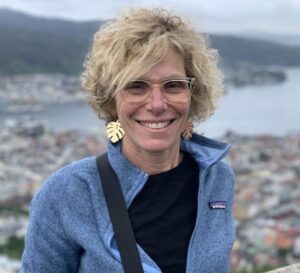
Nine years ago, in the spring of 2016, I was a much more reserved 20 year old from a “wee” village in rural Ireland. I still remember feelings of uncertainty when I clicked ‘submit’ on my application to a camp staffing agency which prided itself on matching its applicants with their perfect camp … and boy did they succeed! It was only a matter of days before the assistant director of Camp Akeela reached out to me and so began my wonderful camp journey!

In that first summer at camp, I gained invaluable experience and leadership skills. Since 2016, I have been lucky enough to return to Akeela five times. No two summers were ever the same, but each presented me with incredible opportunities for growth, both personally and professionally.

To some extent, that’s true at any camp. They say that at camp, “the days are long but the weeks are short” and it’s true: every day is full of chances to do life-changing work with kids, to learn more about yourself and to take on more exciting responsibilities. At Akeela, that’s all even more true because of the camper population. It’s a sleepaway summer camp for neurodivergent or “quirky” kids, ages 9 – 17. Many campers at Akeela find social situations challenging and the staff is there to help them connect with other kids and feel great about themselves. As a teacher, I can’t imagine a more important skill to have.

As I write this, a month from turning 29 years old, I credit Camp Akeela as being the single greatest positive growth experience, not only in my twenties, but in my whole life. I think about the 20 year old version of myself, just launching on this new overseas adventure, and he’s hardly recognizable as compared to who I am today. I’m so much more confident, courageous, wise, and, above all, self-assured. And I credit that to my transformative summers at Camp Akeela.

Who knows what could be in store for you?!

-Rob Brennan


Debbie and Eric Sasson, Akeela’s directors, met each other 25 years ago when they were working at the summer camp that my husband and I owned. When I retired in 2016, after being a Special Education teacher for 28 years, the Sassons reached out to me about joining the Akeela community. I’ve always loved camp, so I figured why not give it one more summer?
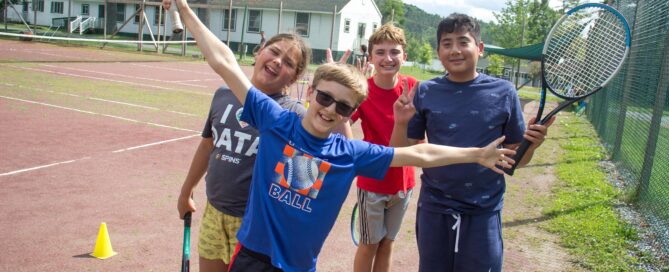
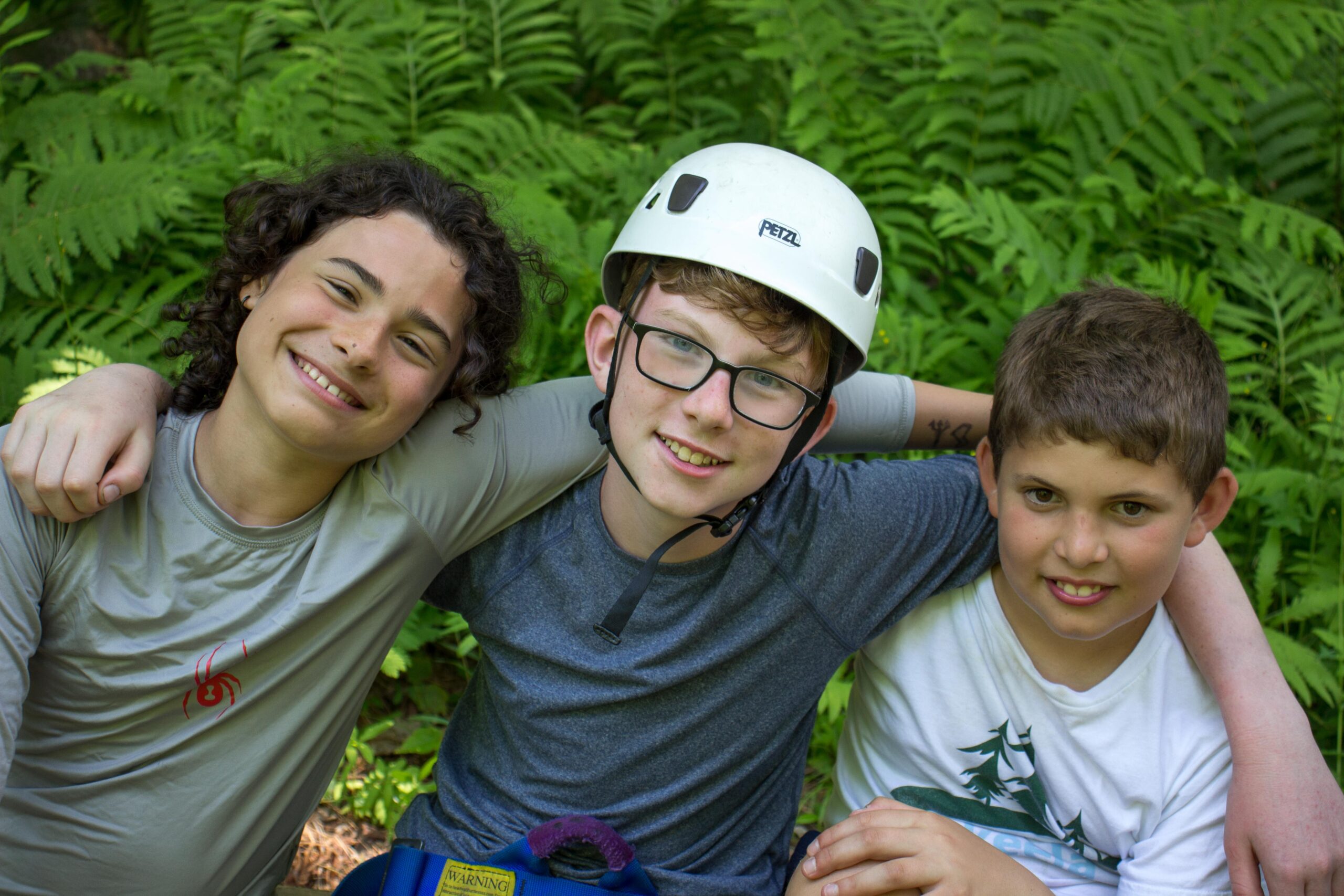
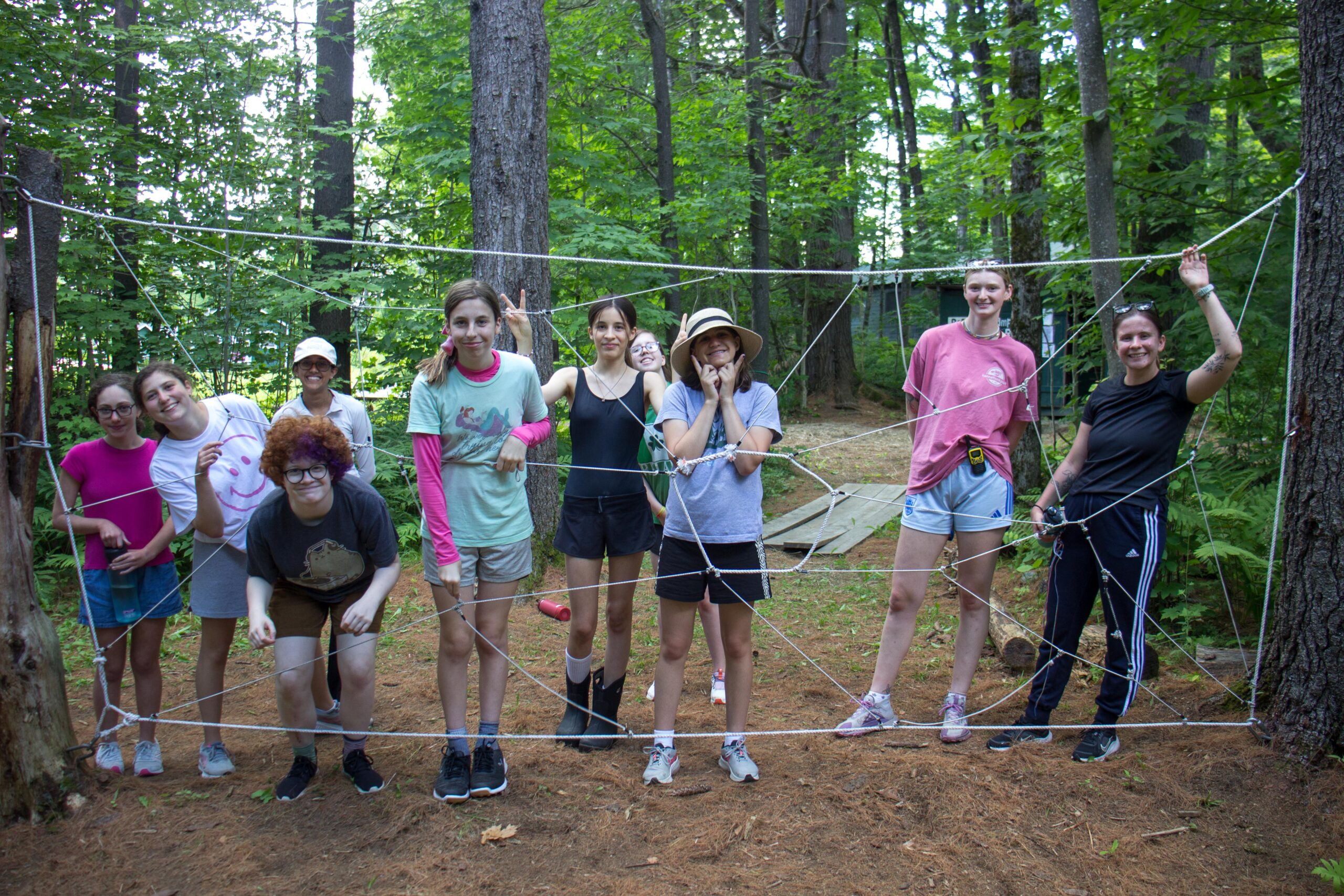
Well, I loved that first summer at Akeela so much that I absolutely had to return for 2 more summers. After being away for 5 years, I returned last summer and it was like going home. I was so happy to be back in this amazing place.

Debbie, Eric and Erin have created a welcoming community that is committed to the growth and well being of all – staff and campers. Everyone is respected and valued. Watching the campers develop independence, self-confidence, and the skills to live within a community setting and advocate for themselves is so fulfilling and rewarding. I love mentoring the counselors and watching the growth and development of their skills.

Being at Akeela is a perfect way for me to continue my passion for working with neurodivergent kids. I love that I continue to use my skills and experience to enable growth in the campers and the counselors. If you are a retired teacher like me, or someone who is currently working in education, and you value being part of a very special place, then Akeela is the place for you!

– Barb Wolfson


When Should I Choose a Camp for My Neurodivergent Child for Summer 2025?

If you’re the parent of a neurodivergent child, planning for the summer is more than just picking a camp. Your child’s specific strengths, preferences and needs require careful consideration to ensure their summer camp experience is both fun and socially supportive. While summer 2025 may seem far away, it’s important to act now—this fall is the ideal time to start planning and making decisions. Here’s an accelerated timeline to help you choose the best camp for your neurodivergent child.

1. Assess Your Child’s Needs: Now!

Before you even start looking into specific camps, it’s important to take stock of your child’s current needs and preferences. Whether your child thrives with structured routines, enjoys outdoor activities, or benefits from creative arts, match these strengths to the right camp.

Ask yourself:

– Does my child need a highly structured environment?

– Does my child enjoy outdoor adventure? Creative arts? Water activities? Athletics? Or a combination of those?

– Is my child ready to live independently at camp for an extended period of time? What kind of supports would have to be in place to make that a successful experience?

If you’re unsure how your child may adapt to certain camp settings, fall is also a great time to talk to your child’s teachers or therapists for input. They can provide valuable insights that may help you identify the right type of camp environment.

2. Start Researching Neurodivergent Focused Camps Now: Fall 2024

The best camps for neurodivergent children fill up quickly, and waiting until spring could mean missing out on spots in camps best suited to your child’s needs. Starting in fall 2024 allows you to research camps, assess your options, and secure your child’s place early.

What to Focus on:

– Peer Group: Even camps that specialize in neurodivergent children can have a camper population that varies widely in terms of their needs and behaviors. Make sure that you’re placing your child in a community where they’ll meet and connect deeply with other kids like them. Those friendships are what camp is all about!

– Staff Expertise: It’s important that camp staff have experience with neurodivergent children and are trained in strategies to support kids with autism, ADHD, learning differences or sensory sensitivities.

– Program Design: Investigate camps that are intentional in the way they structure their daily schedule, facilities, group sizes, etc. Finding a camp that is thoughtful about these things may be crucial to ensuring your child thrives.

3. Speak with Camps This Fall: Early Winter 2024

Once you’ve identified potential camps, make it a priority to contact them as soon as you can. Camp directors will take the time to answer your detailed questions and should partner with you to assess how well the camp can meet your child’s needs (and vice-versa).

Questions to Ask:

– What is the camp’s overall philosophy or core values?

– What is the program like? How much structure and choice are built into daily activities? Is there a therapeutic component to the program?

– What are the other campers like in my child’s age group? (Does my child seem similar to them?)

– How do you recruit and train your staff? What’s the camper-to-staff ratio?

– How do you handle situations where campers are having a tough time or experiencing sensory overload?

– How does the camp define a successful summer for their campers? 

The sooner you start these conversations, the better prepared both you and the camp will be to ensure a positive experience for your child.

4. Complete Camp Applications: Winter 2024/2025

By early 2025, you should aim to complete your application for your selected camp(s). Most camps who work with neurodivergent children and teens will have an extensive application process, including meeting your child (typically via video call) face-to-face. That helps the camp – and your entire family – feel comfortable that it’s a great fit. 

Once your camper is accepted, you’ll be asked to submit a payment deposit to hold your spot. The camp will start to share lots more information about the upcoming summer, including required forms for you to complete.

5. Prepare Your Child: Spring 2025

As summer approaches, it’s important to talk to your child about what to expect at camp. They’ll likely have a lot of questions and probably some anxiety about going away, as well. That’s all perfectly normal.

Some ways to help ease the transition:

– Practice routines: Start introducing elements of their camp routine at home. Practice sleeping away from home, following a daily schedule, eating new foods, and taking breaks from technology.

– Build excitement: Watch videos or look at pictures of the camp together. Talk about all the fun activities they’ll get to try, and encourage them to think about what they’re most excited for.

– Role-play social situations: If social skills are an area of focus, help them practice different scenarios they may encounter at camp (e.g., making new friends or participating in group activities). This can help boost their confidence ahead of time.

Choosing the right summer camp for your neurodivergent child takes time, care, and attention to detail. Starting in fall 2024 gives you the best chance of finding a camp that not only accommodates your child’s needs but also helps them thrive socially, emotionally, and developmentally.

By researching and speaking with camps later this year, applying & enrollment by winter, and using the spring to prepare your child, you’re setting up a positive and memorable experience for summer 2025. Don’t wait—start planning now to give your child the summer of a lifetime!